


1. What is skin inflammation?
2. What causes skin inflammation?
-
a. What causes your skin to turn red?
3. How to reduce skin inflammation and redness
-
a. Acne-related redness
b. Damaged skin barrier-related redness
c. Rosacea-related redness
d. Eczema-related redness
Along with shorter days, the arrival of winter weather often brings less-than-favourable changes to our complexions—we’re talking red blotches, a listless complexion and flakiness. These same changes can also be triggered by a link between inflammation and the skin.
Chronic inflammation is at the top of the list when it comes to internal and external factors that can zap your skin of its hydration and cause redness. But not all types of inflammation are bad. When inflammation is controlled—with peels, laser or microdermabrasion—it can have favourable results. When it’s not, however, it can be your skin’s worst enemy, especially when it comes to redness and premature aging.
Fortunately, there are a few easy steps to follow to help prevent—and treat—this type of seasonal-related redness. It always pays off to know and understand all the facts. Here, we break down everything you need to know about inflammation and skin redness, including potential triggers, the most common symptoms and the best skincare for skin inflammation.
1. What is skin inflammation?
Rawness, stinging or itchy red bumps on skin are the body’s way of sending out an SOS. Simply stated, inflammation is the body’s immune system’s response to an irritant. When skin becomes inflamed and irritated, it turns red because blood rushes to the site with oxygen and immune cells to fix the damage. Indicators like redness, itching, sensitivity, heat and swelling are all signs that the immune system is working hard to fight something off.
2. What causes skin inflammation?
When your body recognizes an intruder—like infectious microbes or allergens—your immune system sends a response to drive out the dangerous pathogen (like bacteria or fungus) and begin the healing process, and that response is inflammation. When it comes to triggers, it depends whether it’s acute or chronic skin inflammation.
Acute inflammation is a response to triggers such as windburn, UV rays, alcohol, spicy food or an infection. Generally, this type of skin inflammation is short-lived and can be resolved within a few weeks if the cause is treated. Acute inflammation doesn’t cause permanent tissue damage.
Chronic skin inflammation is known to be a form of dermatitis, which is linked to many skin conditions such as eczema, rosacea and psoriasis. These conditions are linked to genetics and regularly cause flare-ups, which can look like red spots on skin, a flushed complexion, rashlike blisters, redness and scaling. These conditions can never be fully “cured.” The immune system releases continual responses within the body. Triggers can be as simple as a fragrance, a lack of humidity, extreme water temperatures, harsh ingredients, stress and more. Over time, this can lead to tissue damage.
a. What causes your skin to turn red?
Everything from your lifestyle to the skincare products you’re using to the state of your health can cause a full-on face flush and red spots on skin. Some common factors include genetics, sunburn, windburn, acne, alcohol, extreme temperatures and allergic reactions, but no matter the culprit, chronic redness is inflammation.
Redness occurs when your body sends extra blood to an area (an immune response), causing blood vessels to expand and push up against the skin’s surface to fight off irritants and encourage healing. Your skin can also become red if you’ve been using a new active ingredient, like a retinoid, or if you’ve been exerting yourself, such as after a heart-pounding exercise session.
3. How to reduce skin inflammation and redness
Most people who experience redness either suffer from some type of chronic skin inflammation or have sensitive skin. Unfortunately, there’s no one-size-fits-all remedy to ruddy, inflamed skin, but it’s good practice to steer clear of heavy fragrances, drying alcohols and manual exfoliants. To properly treat redness, however, you need to figure out what’s causing it.
a. Acne-related redness:
If you’re dealing with redness accompanied by small pimples, it’s likely caused by acne. The sooner you can treat the blemishes, the quicker the redness will dissipate. The best acne treatments to calm redness are those with salicylic acid. The best cleansers are gentle, like Vichy Normaderm Anti-Acne Purifying Gel Cleanser. It contains salicylic acid to help limit the number of blemishes and copper and zinc for their antimicrobial and anti-inflammatory effects. Follow up with the best face serum for oil-free hydration, like Vichy Minéral 89 Luxury Format. The serum protects acne-prone skin from drying out (which could potentially cause more redness) without causing more acne.
b. Damaged skin barrier-related redness:
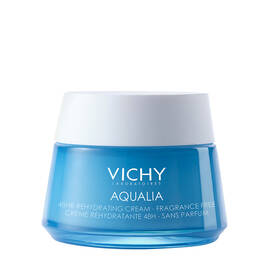
When your skin barrier is compromised, it can’t attract or trap water. In other words, the moisture in your skin evaporates. This leaves your skin with signs of dryness and can make it more vulnerable to infection from micro-organisms, which can trigger inflammation and then cause redness. Reinforce the skin barrier with a nourishing serum with calming ingredients like niacinamide. The best niacinamide serum to add to your routine is Vichy Minéral 89 Probiotic Fractions. Niacinamide is an antioxidant that soothes by improving the skin barrier function and reducing inflammatory responses. Follow up with the best moisturizer for redness, Vichy Aqualia Thermal Rich Cream. This non-greasy hydrating cream is rich in hyaluronic acid and reinforces the protective skin barrier.
c. Rosacea-related redness:
Rosacea, a chronic inflammatory skin condition that affects over three million Canadians, leaves sufferers with frequent flushing or blushing on the cheeks, nose, chin and forehead. It does not resolve on its own and can worsen over time if left untreated. Consult your family doctor or dermatologist to prescribe treatments and recommend proper skincare products.
d. Eczema-related redness:
Another common chronic inflammatory skin condition is atopic dermatitis, also known as eczema. It’s caused by a combination of genetic and environmental factors that can trigger flare-ups, which can result in itchy red patches all over the body. If you’re a sufferer, try to avoid contact with irritants and allergens such as detergents, fragrances and extreme water temperatures, to name a few. If the flare-up continues, consult your dermatologist about using topical steroids. Without a proper diagnosis and adequate treatment, eczema can become chronic and disabling. If you think you might have atopic dermatitis, consult your family doctor or dermatologist.
RELATED PRODUCTS
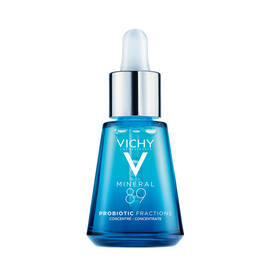
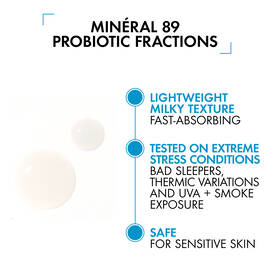
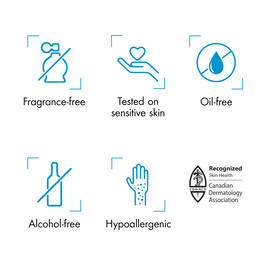
Minéral 89 Probiotic Fractions
Regenerating and Repairing Booster for Stressed Skin (30ml)
.jpg?sw=540&sh=420&sm=cut&q=70)


