


1. What is stress?
2. How does stress affect your skin?
-
a. Dry skin due to stress
b. Skin rashes due to stress
3. Why is stress bad for your health?
-
a. How to cope with stress
4. How to treat stressed skin
If you’ve been feeling more stressed than usual, you are not alone. According to Statistics Canada, one-quarter of Canadians report experiencing high levels of stress most days and nearly half say that their stress levels have become worse since the start of the pandemic.
We have all experienced stress in one form or another, whether for a short or long period of time. This emotional tension not only seeps from our brains to our bodies but can also show up on our skin and aggravate existing conditions like acne, eczema and rosacea.
There are many causes of stressed skin—from external factors, like the sudden shift to cold weather, to the psychological impact on skin conditions, which can cause a flood of cortisol that then triggers an increase in oil and signals inflammation. In this article, we focus on the latter. Read on to learn about skin conditions caused by stress and anxiety and to know about the effects of stress on your skin—and how to treat them.
1. What is stress?
Stress is unavoidable. The Canadian Mental Health Association (CMHA) states: “Stress is the body’s response to a real or perceived threat. That response is meant to get people ready for some kind of action to get them out of danger. But most of the threats people face today aren’t something that they can fight or run away from.” This emotional tension stems from unavoidable aspects of everyday life, including work, family problems, financial troubles and the digital pressures of social media.
There are two different types of stress: acute and chronic. The former, a quick, short-term surge, can be a good thing. It can heighten your senses and be used as a motivator, helping us to focus on a task or take action and solve a problem. It sparks an unpleasant feeling that’s caused by a spike in hormones—a combination of adrenaline and cortisol.
However, when stress is chronic, it is unhelpful and even harmful. People may feel overwhelmed, and that’s when things can start to spiral. According to the CMHA, it can manifest in physical sensations like sweating, a racing heartbeat or tense muscles. Over time, stress can also have a big impact on physical health, like sleep difficulties and even skin conditions.
2. How does stress affect your skin?
Skin is the largest organ, so it’s not surprising that stress can have an effect on it. We know that when you experience something stressful, it increases adrenaline and cortisol levels; while adrenalin only lasts for about 15 minutes in your system, your cortisol level (which releases sugar into the bloodstream and slows down less urgent systems like immune response and digestion) can remain elevated for hours after a stressful event passes.
Cortisol in the short term is fine, but chronic stress brings heightened levels, and this is linked to inflammation. This can in turn trigger whatever your underlying skin conditions may be. While skin stress conditions vary from person to person, their effects can show up quickly due to the rush of cortisol causing inflammation, which is also called oxidative stress. This can manifest in rashes, stress acne, premature aging and red bumps of skin from stress.
a. Dry skin due to stress
Cortisol can not only cause you to produce more sebum, which can clog pores and lead to acne, but is also connected to transepidermal water loss (TEWL). Translation: Stress and dry skin are linked. Your epidermis (the thin outer layer of skin) becomes a bit leakier than normal because stress weakens the skin’s barrier, hindering your skin’s ability to retain water.
b. Skin rashes due to stress
Be it dryness, redness or a general feeling of itchiness and discomfort, common skin reactions to stress are rashes. The reason you’d know you have a stress skin rash versus one that’s triggered by an external factor like weather or a sensitivity to a certain ingredient is that it will often come out of nowhere. In other words, you might develop a rash suddenly, even though you haven’t changed your skincare routine. Just like dryness caused by stress, rashes can be a symptom of a compromised skin barrier. Another reason for these types of rashes is a weakened immune system (making the skin worse at defending itself), which can happen when cortisol levels are high.
3. Why is stress bad for your health?
Suffering from chronic stress for long periods of time can put a strain on major organs (including your skin) and contribute to serious health complications. Some of the most common negative effects of stress on overall health include high blood pressure, heart problems, diabetes, asthma and psychological disorders such as depression and anxiety.
a. How to cope with stress
While no one can avoid all stress, you can work to handle it in healthy ways that increase your potential to recover. Here are some steps you can take to help alleviate the effects of negative stress.
- Identify and solve the problem: The most effective way to ease stress is to pinpoint the cause. Once you know what the real problem is, you can do something about it. It’s important to note that some stress triggers might be out of your control, but identifying the cause is already a first step.
- Daily exercise: In addition to having physical health benefits, exercise has been shown to be a powerful stress reliever. It can be especially helpful when stress has depleted your energy or your ability to concentrate.
- Practise relaxation techniques: Taking the time to relax every day helps to manage stress and protect the body from the effects of stress. This could be journalling, meditation or breathing exercises.
- Simplify your life: Stress can come up when there are too many things going on. Set realistic goals and learn how to say no, especially when you’re feeling overwhelmed. Try to look for ways to make your to-do list more manageable.
4. How to treat stressed skin
We know that stress can adversely affect the look and feel of your skin. Thankfully, you can restore order to concerns—whether that is dull, dry, red or acne-prone skin—by using products that include ingredients (like probiotics, hyaluronic acid and vitamin C) that can boost skin health and reduce the impact of stress. Follow these key tips about using the right skincare essentials.
Hydration booster
If your skin has been looking dry and lacklustre, something probably isn’t right. A compromised skin barrier, caused by stress, might be zapping it of moisture. Consider adding a hydrating serum. The best face serum is a hyaluronic acid serum, like Canada’s number one serum: Vichy Minéral 89 Face Serum with Hyaluronic Acid. This minimal formula (only 11 ingredients) features an 89% concentration (hence the name) of Vichy volcanic water, which is naturally mineral-rich, plus moisturizing hyaluronic acid and glycerin for long-lasting hydration.
Restore balance
A healthy, balanced microbiome equals healthy, balanced skin, and the best way to achieve this is with the best fractionated probiotic serum. Healthy, stress-free skin beams with radiance, and Vichy Minéral 89 Probiotic Fractions is the next generation of serums that help support the microbiome using probiotic fractions grown in Vichy volcanic waters with vitamin B3. After just four weeks, you’ll notice a boost in radiance and elasticity and a reduction in fine lines.
Glow-getter
If stress is preventing you from getting a good night’s sleep, it’s probably doing a number on the skin under your eyes. Time to step up your eye cream game and add the best eye serum to your routine. Enter Vichy Minéral 89 Eyes. This lightweight non-sticky gel formula combines caffeine, hyaluronic acid, shea butter, glycerin and Vichy volcanic water for a concentrated dose of undereye brightening and tightening.
Bright eyes
If you’ve lost your glow and you’re suffering from pigmentation, chances are your skin is suffering from oxidative stress, which is linked to increased cortisol and inflammation. The best thing you can do to combat oxidative stress—which is an imbalance between free radicals and antioxidants—is to add more antioxidants. Vitamin C is a potent antioxidant that provides protection against oxidative stress-induced cellular damage by acting as a scavenger for these free radicals—which are unavoidable because they come from mental stress, pollution and UV radiation.
You can either add the best vitamin c serum ampoule, which contains 10% pure vitamin C, peptides and natural hyaluronic acid, or the best vitamin c serum, which has slightly more vitamin C at 15%, to your skincare lineup. To protect your skin from further damage, always conclude your routine with sunscreen for your face.
RELATED PRODUCTS
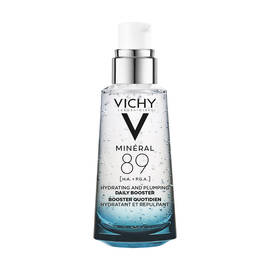

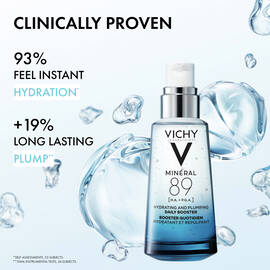
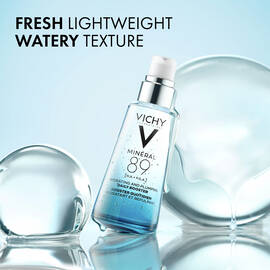
Minéral 89 Booster Serum
FORTIFYING & HYDRATING DAILY SKIN BOOSTER HYALURONIC ACID SERUM
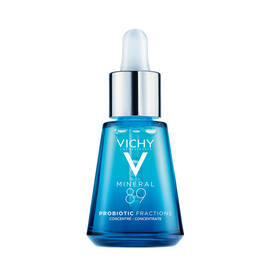
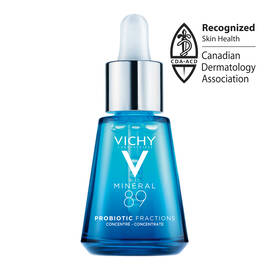
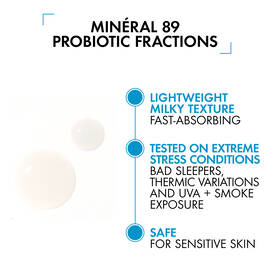
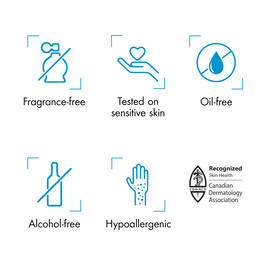
Minéral 89 Probiotic Fractions
Regenerating and Repairing Booster for Stressed Skin (30ml)


