


Table of Contents:
- What dandruff typically looks like
- Dry dandruff vs oily dandruff
- Signs your flakes may be dandruff
- When it may be dry scalp instead
- What causes dandruff
- A simple Dercos anti-dandruff routine
- Recommended Dercos products
- Frequently asked questions
1. What dandruff typically looks like
Dandruff is a common scalp condition associated with visible flakes and often itchiness. It may also be linked to redness and scalp imbalance, and in some cases flakes can appear dry and fine or more oily and adherent.
2. Dry dandruff vs oily dandruff
Not all dandruff looks the same.
| Topic | Dry Dandruff | Oily Dandruff |
|---|---|---|
| Typical flakes | Fine, white flakes that do not adhere strongly to the scalp | More yellowish flakes that adhere to the scalp |
| Scalp feel | Itchy, flaky, sometimes tight | Itchy, flaky, sometimes greasy or red |
| What it may be linked to | Scalp imbalance, microbiome changes, Malassezia | Scalp imbalance, excess sebum, Malassezia |
| Best care approach | Targeted anti-dandruff routine | Targeted anti-dandruff routine for oily scalp |
3. Signs your flakes may be dandruff
You may be dealing with dandruff if:
Common signs of dandruff
- you notice persistent visible flakes on the scalp or shoulders
- your scalp feels itchy or uncomfortable
- flakes may be fine and white, or more yellowish and adhere to the scalp
- your scalp may also appear red
- targeted anti-dandruff care is needed to keep flakes under control
What dandruff is not
- dandruff is not contagious
- dandruff is not a hygiene issue
- dandruff can be a relapsing concern, so ongoing care may matter
4. When it may be dry scalp instead
Not all flakes are dandruff.
If the scalp feels mainly tight, dry, uncomfortable, or sensitive, and flakes may appear smaller and drier, it may be dry scalp rather than dandruff.
Dry scalp is often linked to lack of moisture and may become more noticeable in cold weather, low humidity, or with routines that feel too drying, such as harsh shampoos or very hot water.
| Topic | Dry Scalp |
|---|---|
| Typical flakes | Smaller, drier-looking flakes that do not adhere strongly to the scalp |
| Scalp feel | Tight, dry, uncomfortable, sometimes sensitive |
| What it may be linked to | Lack of moisture, cold weather, low humidity, drying routines |
| Best care approach | Gentle, comfort-focused shampoo for sensitive scalp |
5. What causes dandruff
Dandruff is linked to scalp imbalance and may involve several factors, including:
- changes in the scalp microbiome
- Malassezia
- sebum imbalance
- altered skin barrier function
Because dandruff can be a relapsing concern, it often benefits from a targeted routine used consistently over time.
6. A simple Dercos anti-dandruff routine
If visible flakes are your main concern, a simple routine can help cleanse the scalp, target dandruff-prone needs, and support hair comfort based on your hair type.
- Cleanse — Use a routine shampoo to help cleanse the scalp as part of your hair care routine. Regular washing may help reduce buildup and prepare the scalp for targeted anti-dandruff care.
- Treat — Choose an anti-dandruff shampoo adapted to your hair type and follow the product directions for both the treatment phase and the maintenance phase.
- Nourish — If hair lengths also feel dry or damaged, use a conditioner adapted to your hair type to help support softness and comfort.
If the scalp feels mainly tight, dry, or uncomfortable rather than visibly flaky, a gentle soothing shampoo for sensitive scalp may be more appropriate within your routine.
7. Recommended Dercos products
The following product types can help build a scalp care routine adapted to visible flakes, scalp comfort, and hair type.

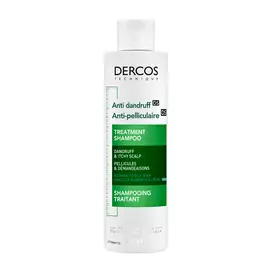

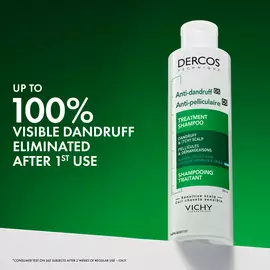
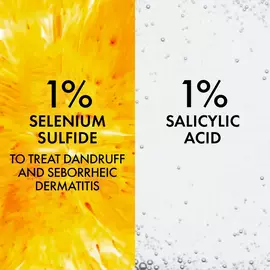
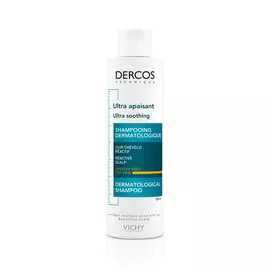
Dercos Anti-Dandruff Treatment Shampoo for Normal to Oily Hair
With Selenium Sulfide + Salicylic Acid
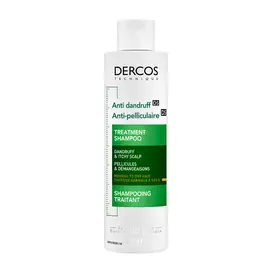

Dercos Anti-Dandruff Shampoo for Normal to Dry Hair
Shampoo to Eliminate 100% of Visible Dandruff (200ml)


8. Frequently asked questions
Can dandruff happen on an oily scalp?
Yes. Dandruff can appear on an oily scalp and may be associated with more adherent flakes and excess sebum.
What is the difference between dry dandruff and oily dandruff?
Dry dandruff usually appears as fine white flakes that do not adhere strongly to the scalp. Oily dandruff tends to appear with more yellowish flakes that adhere to the scalp and are associated with excess sebum.
Is dandruff contagious?
No. Dandruff is not contagious.
Is dandruff caused by poor hygiene?
No. Dandruff is not a hygiene issue.
Can dry scalp cause flakes?
Yes. Dry scalp may be associated with smaller, drier-looking flakes, especially when the scalp lacks moisture and feels tight or uncomfortable.
How often should I wash dandruff-prone scalp?
It depends on your scalp needs and the product directions, but regular washing is often important to help reduce buildup and manage visible flakes.


